
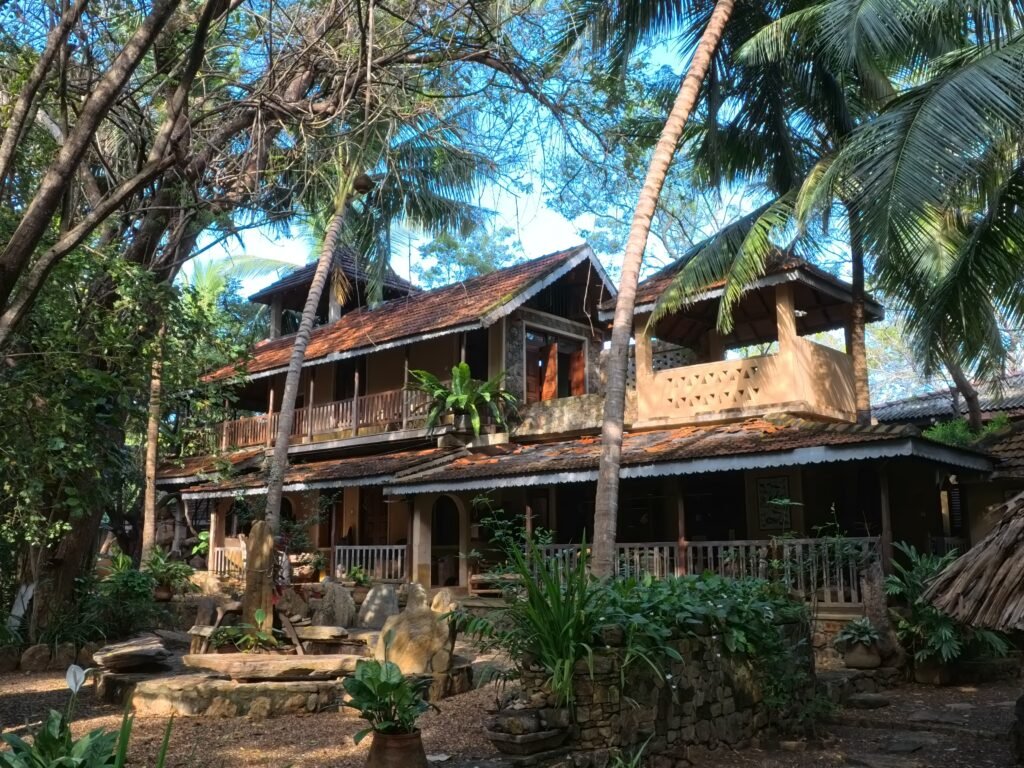
A place in Kataragama that quietly changed the course of a journey
Leaving Sri Lanka long before the expiration of the thirty-day visa turned out to be impossible.
The place where I arrived after Tangalle and Tissamaharama gradually challenged the impression I had formed of the island.
I came to Gem River Edge almost by accident, following the recommendation of a man I had met briefly in Galle some ten days earlier. Rasika had described Muna simply as his best friend. They had known each other since school.
Gem River Edge was located in Kataragama itself, somewhere beyond the main road, and was almost impossible to find the first time. The tuk-tuk driver bringing me from Tissamaharama was not from the area and eventually became completely confused. There were intentionally no visible signs leading to the place. At some point, we stopped near the road and asked a local man for directions. The moment the man heard Muna’s name, he immediately pointed deeper into the forest without hesitation.
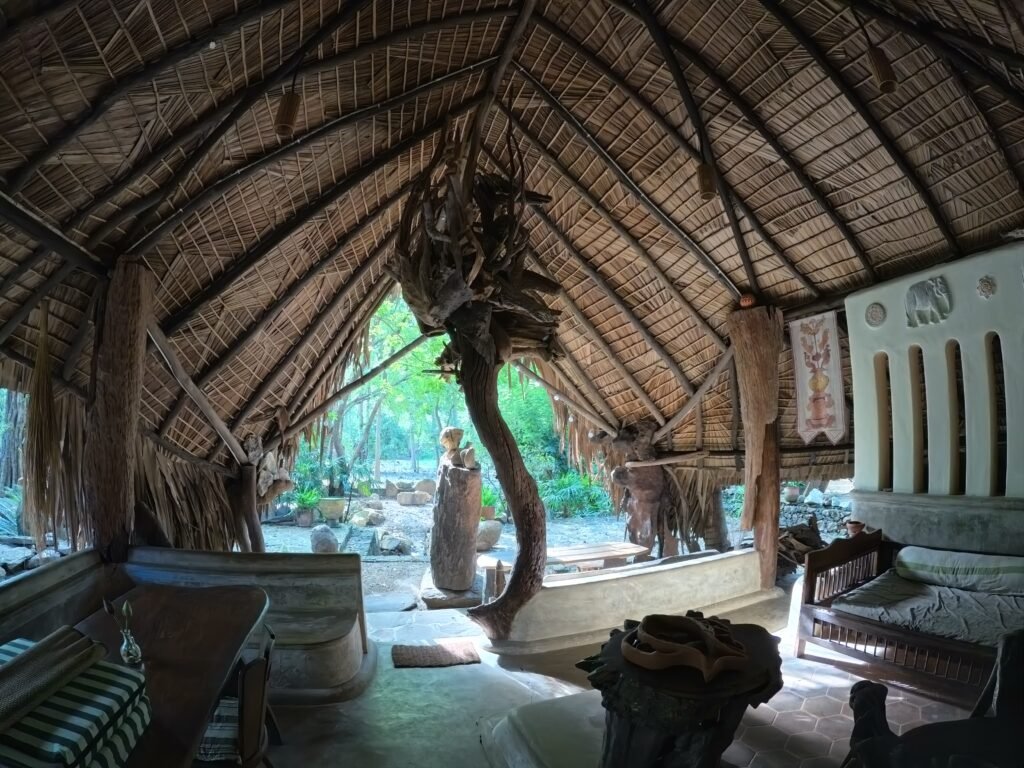
At the time, I thought we had just asked the right person for directions. Only later did I understand that Muna was known far beyond the boundaries of his homestay.
By then, my connection with the outside world had already been restored, and I had more or less returned to my usual state of mind.
Gem River Edge stood on the banks of the Menik Ganga, usually translated from Sinhala as the River of Gems. Even the word Ganga brought India back again.
In modern language, places like this are often described as eco-retreats. But those words explained very little. The rest would become clear only much later. At first glance, everything seemed quite simple — a small homestay hidden among trees near the river, humid air, dogs sleeping somewhere in the shade, the sound of water beyond the garden.
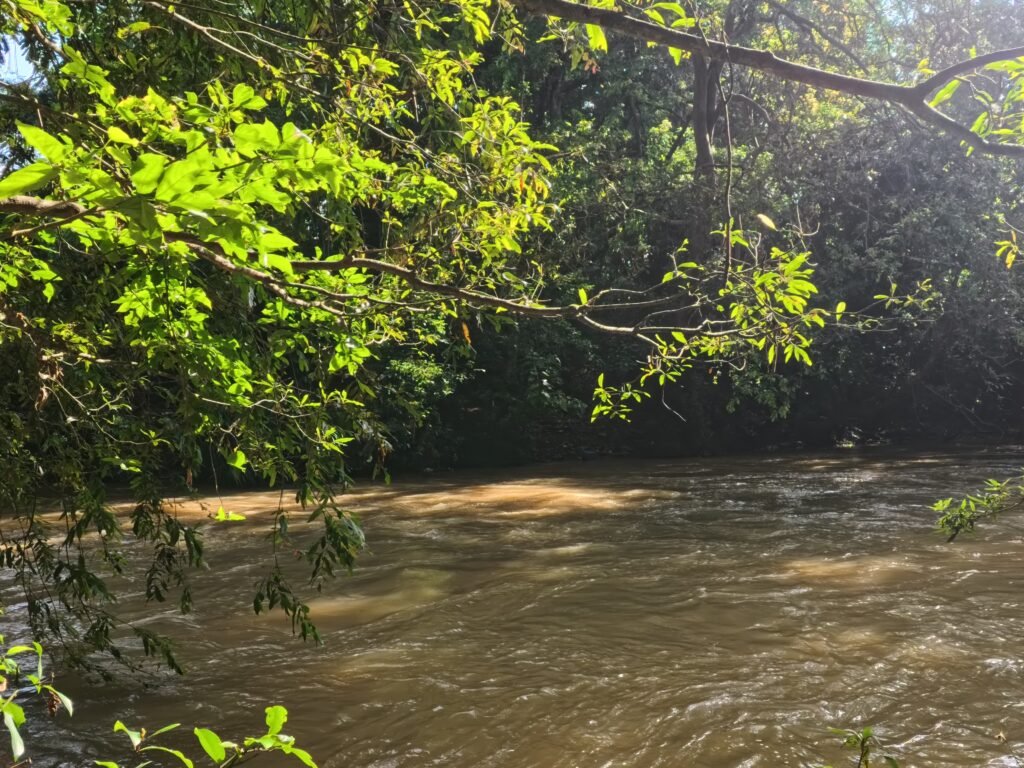
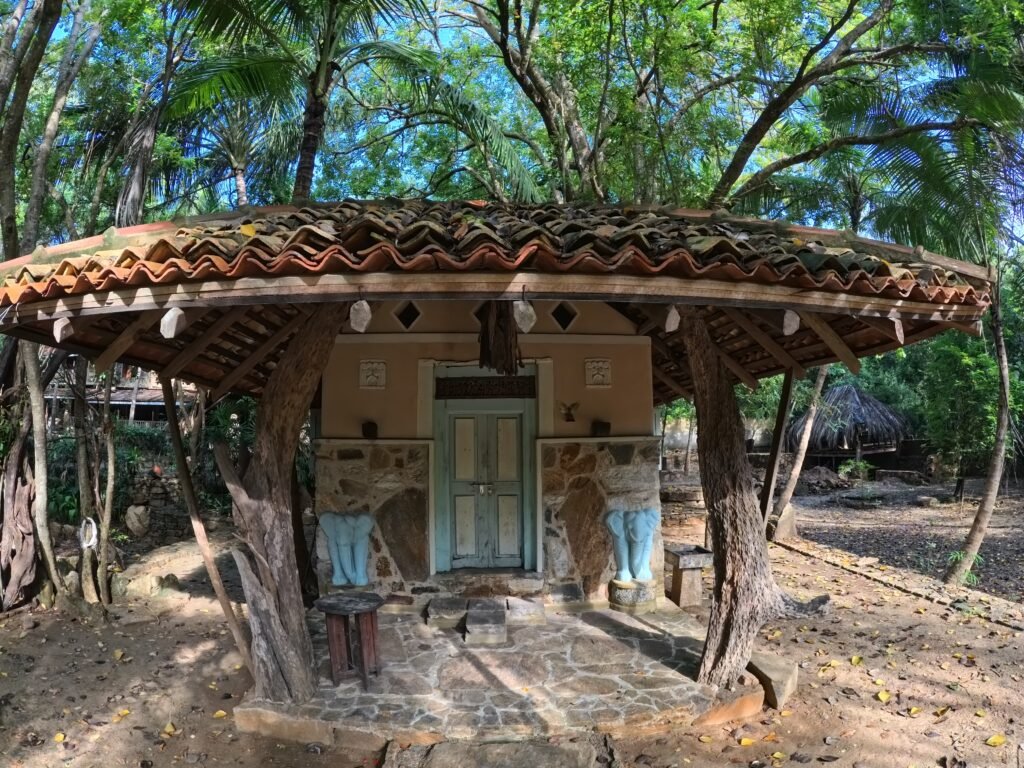
Every day, leaves were swept from the ground. New ones continued falling almost immediately. The work seemed endless and strangely unimportant. And yet without it, the entire place would probably have started looking abandoned within days.
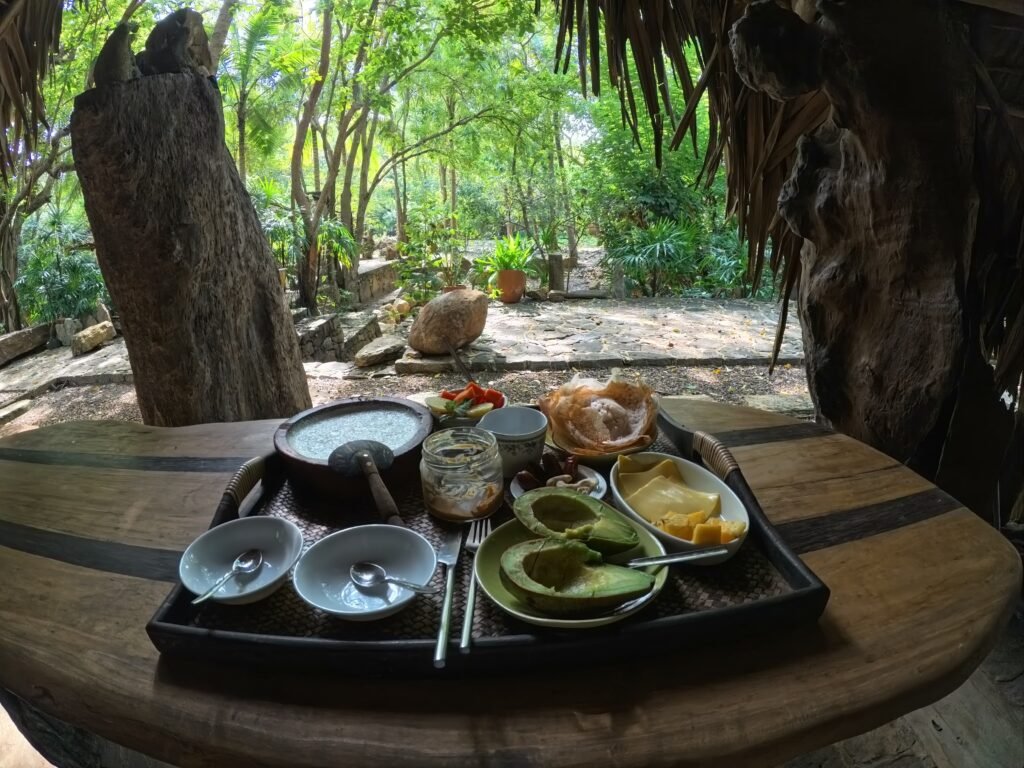
Breakfasts, dinners, safari trips, cooking classes, guests arriving and leaving — everything continued calmly, without visible effort. Plans changed constantly. Nobody seemed particularly bothered by it.
An Italian photographer volunteering there at the time, after several months in Africa, once told me that some aspects of life at Gem River Edge were not always easy for Europeans to understand.
Later, after spending more time at Gem River Edge, I understood what he meant.
The longer I stayed, the more often our paths seemed to cross. Muna cooked, organized trips, spoke endlessly with travellers, disappeared somewhere during the day, then reappeared as if nothing unusual had happened. All of it seemed completely natural to him.
Nothing about it felt rehearsed. Nor was there the polished attentiveness often encountered in hotels.
Three dogs were living at Gem River Edge. The smallest one, Kopi, had been hit by a tuk-tuk shortly before my arrival. Muna treated him with ash from the outdoor stove where food was cooked. Or perhaps Kopi treated himself. The little dog constantly climbed directly into the ash, emerging dusty and grey before happily running toward whoever happened to pass nearby.
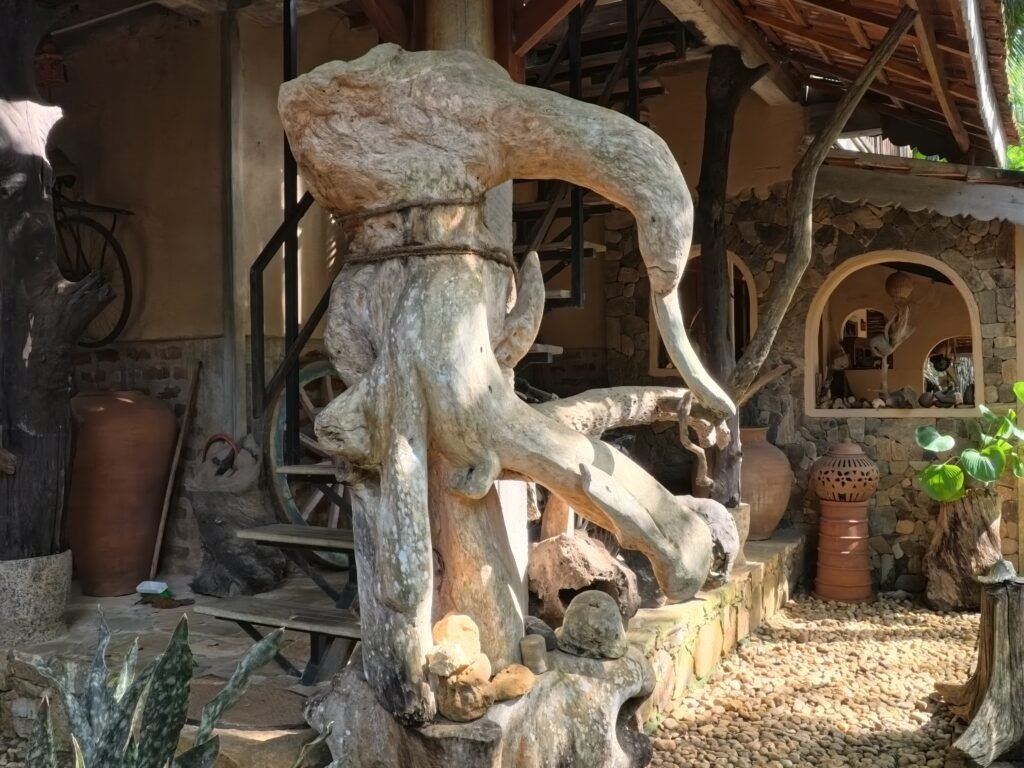
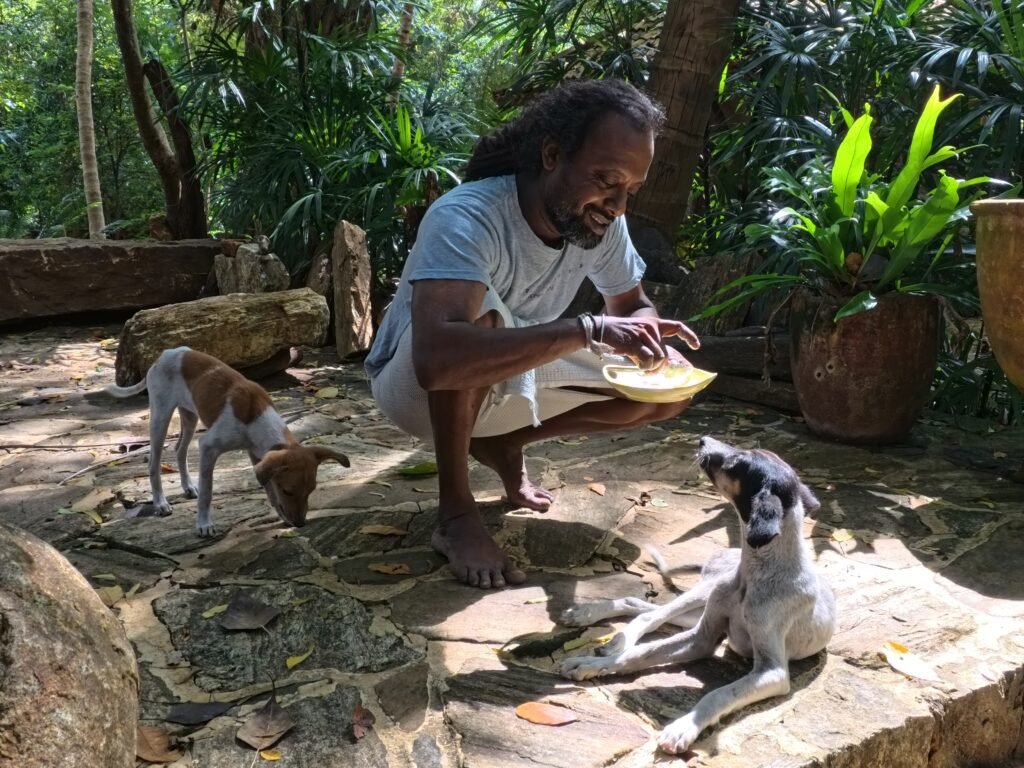
The dogs also ate yogurt made from buffalo milk and seemed to live almost vegetarian lives, alongside everyone else in the house.
Conversations with Muna could be exhausting at first. His English was fast, vivid, and occasionally idiosyncratic. I often had to concentrate to keep up with the flow of words in which stories about the island, fragments of personal history, strange episodes from life in Kataragama, and plans for the future merged into one restless stream of conversation.
Somewhere along the way, the plan to leave after only a few days quietly dissolved on its own.